April 12 -Wednesday, April 15: Left Kartchner Caverns SP to take a ride to the Fairbanks, a ghost town in the San Pedro NRCA managed by the Bureau of Land Management. Apparently Fairbanks was a hopping crossroads until mid-twentieth century, a railroad stop for miners and cross country travelers, providing overnight respite and upscale dining. The state managed to route highway 82 close to the town after the railroad serving the copper mines stopped running but there wasn’t enough to keep the town alive: the last general store closed its doors in the 1970s. Birding was sparse but we did manage to see a fly-by caracara, and dozens of lesser goldfinch at the feeders. On our way back to Kartchner we made a short detour for curb-side ice cream sundaes at the Benson Ice Cream shop. Before leaving the campgrounds we had a Zoom brunch with the family, admired the Kuhns’ vegan decorated “eggs” (marshmallows) and chatted with everyone.


On our way to the Sonoita Winery we made another detour to Paton’s Audubon site in Patagonia: closed (of course) so we hiked into the Patagonia-Sonoita Creek bird sanctuary on a road we had never noticed though we’d visited this area many times in the past. The winery is also an active cattle ranch and we watched as they rounded up the cattle in the evening from a hill behind the winery, the only Harvest Host guests of the day. We did buy a couple of bottles of red (untasted) on our way out the next morning.
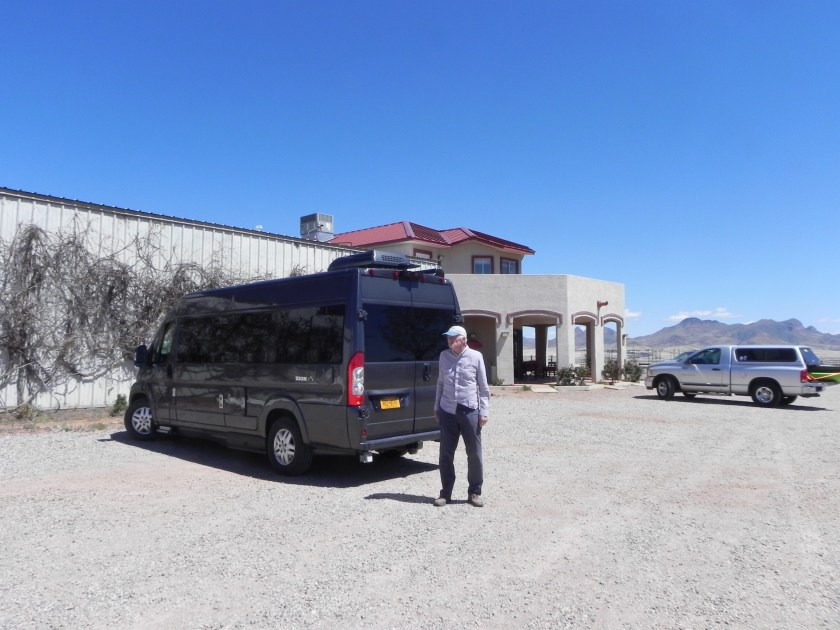
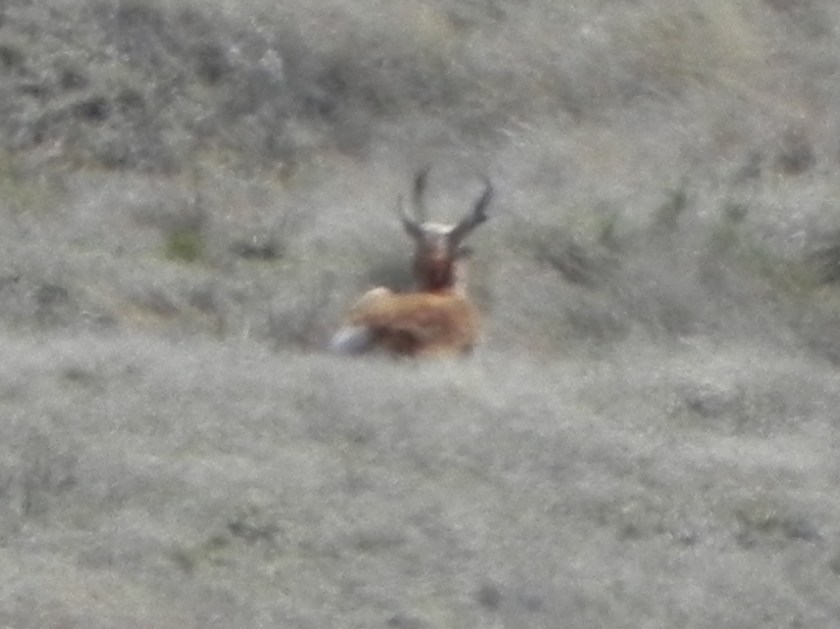
We have been using a map given to us by Kathy, our Riverview host, listing all the public land in Arizona and noticed an area we’d never explored. Las Cienegas, BLM land along the San Pedro River is a large swath of grasslands put aside to protect the black-footed prairie dog which had been completely exterminated by the middle of the last century. Vital to the ecosystem of high prairie grasslands, it was reintroduced and is now coming back. Although the map clearly showed the area, it was vague about how to actually enter the reserve. So when we were stopped at one of the (many) Border Patrol stations*, we asked the guard who, it turned out, was very familiar with the area and gave us directions. As we drove into the reserve, I spotted a couple of animals in the distance that didn’t look quite like the cows, horses or mules we’d been seeing. Quickly whipping out our ever-present binoculars we identified them as prong horns. To be fair, the sign at the reserve entrance mentioned in passing that pets needed to be leashed during prong horn fawning season or we might very well have overlooked them entirely. Very exciting as we never expected to see them this far south. Following the road to the river, we found a pretty spot to have lunch and do a little birding. We were rewarded by seeing yellow warblers, black-tailed gnat catchers, Bullocks Oriole and – on the drive out – a gray hawk Ron spotted sitting on a tree branch out in the open, just about eye level, not more than 30 feet away.


We spent that night at another winery, High Lonesome in McNeal just outside of Tombstone. Our hosts Tom and Edith (and six German Shepherds plus two cats) both retired Army sergeants who met during basic training at nearby Fort Huachuca, were gracious and welcoming. They always knew they would retire to this area but wine making came later, once they settled in and met local vintners. They knew they didn’t want to make ordinary wines, or duplicate the blends so common in the Wilcox wine making area so they planted European varieties and set about making (as they said) what they liked to drink based on their world-wide travels. We bought two of their award-winning varietals and settled in for the night.


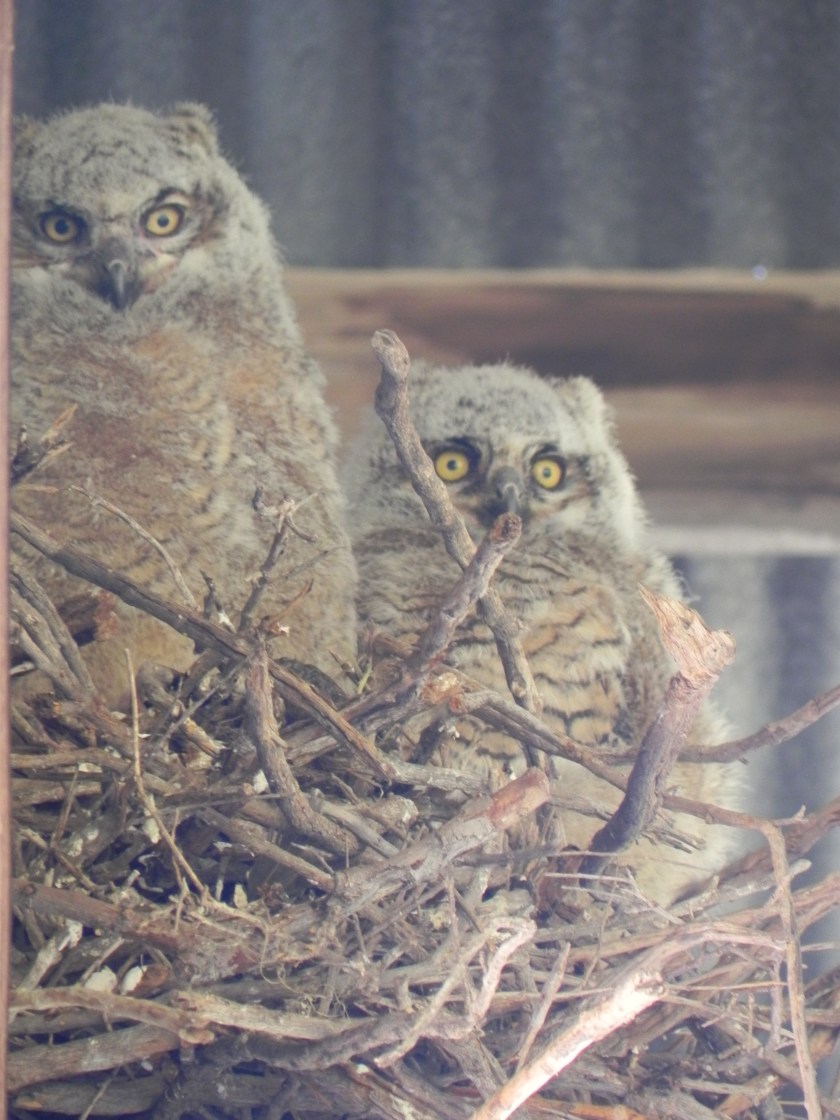
The next morning we headed out to breakfast but paused when we saw the sign for Whitewater Draw. Now that’s where we ere headed when we left Phoenix over a month ago so we couldn’t pass it by. Settling for a couple of BelVita biscuits (our go-to breakfast when too busy, tired or distracted to cook) we parked and walked around the water to see what there was to see. Hearing some noise at the based of a nearby shrub, we turned in time to see a hawk land on a post and proceed to tear into his breakfast. We watched, fascinated, as he gulped down what looked like a sizeable rodent tail and feet disappearing little by little. We’re pretty sure it was a Swainson’s, although without our Western Sibley guide we have been struggling with id-ing lots of birds out here. Just a note: when I was home in March I picked the book off the shelf and put it right back, deciding our schedule would not allow for much birding before we got back east of Texas so the books we had would be sufficient. Wrong. At least once a day I curse the fact that we don’t have it with us. I’d pick up another one in a heartbeat but Walmart doesn’t carry bird books and all the places that might, like park and refuge stores, are closed. Anyway, Whitewater draw turned out to be a great birding stop, with hundreds (if not thousands) of yellow-headed blackbirds congregating at the edges of the marsh, dozens of cinnamon teal clustering in the ponds, many Northern shovelers swimming about, clusters of white faces ibis along with snowy egrets and a great blue heron, a vermillion fly catcher and western kingbirds on the wires and – the hit of the day – Ron found a nest containing two great horned owlets in the rafters of the ramada.


After lunch at Sandy’s (local spot recommended by Tom and Edie) we returned to Kartchner for one more night to defrost the fridge and take a shower before heading back to Safford. But not before stopping at the ice cream shop in Benson one more time. Got to Safford, did laundry, dumped the tanks and did a quick eye doctor visit then back up the windy hill to Riverview for another stint. Where we’ll stay until we figure out when (and how) we are coming home…..
 The Ultimate Road Trip